For private clinics across the UK, maintaining high standards of cleanliness and infection control is not simply a best practice, it is a fundamental requirement for achieving compliance with the Care Quality Commission (CQC) and delivering safe, effective patient care.
The CQC places significant emphasis on infection prevention and control as part of its assessment of whether healthcare services are safe. From the design of your clinical environment to your cleaning procedures and maintenance programmes, every aspect of your facility can influence both patient outcomes and inspection results.
Understanding what the CQC expects can help private clinics create safer healthcare environments, reduce infection risks, and demonstrate a commitment to excellence.
Why Infection Control Is a Key CQC Priority
One of the core questions the CQC asks during inspections is whether a service is safe. Effective infection prevention and control measures play a major role in answering that question.
Healthcare environments must be designed and maintained to minimise the risk of infection transmission. This includes ensuring that premises are clean, fit for purpose, and suitable for the services being delivered.
Poor infection control practices can increase the risk of healthcare associated infections, compromise patient safety, and negatively impact inspection outcomes. For private clinics, maintaining a clean and hygienic environment is therefore essential from both a clinical and regulatory perspective.
What the CQC Looks for During Inspections
When assessing a private clinic, CQC inspectors will consider how effectively infection prevention and cleanliness are managed throughout the organisation.
Areas commonly reviewed include:
- The cleanliness of treatment rooms and patient areas
- Availability of handwashing facilities
- Cleaning schedules and records
- Infection control policies and procedures
- Waste management processes
- Staff training and compliance
- The condition of fixtures, fittings, and surfaces
- Evidence of ongoing maintenance and repairs
Inspectors are looking for clear evidence that infection risks are identified, managed, and regularly monitored.
The Importance of Clinical Environment Design
The physical environment plays a critical role in supporting infection control compliance. Even the most robust cleaning procedures can be undermined by poor design choices.
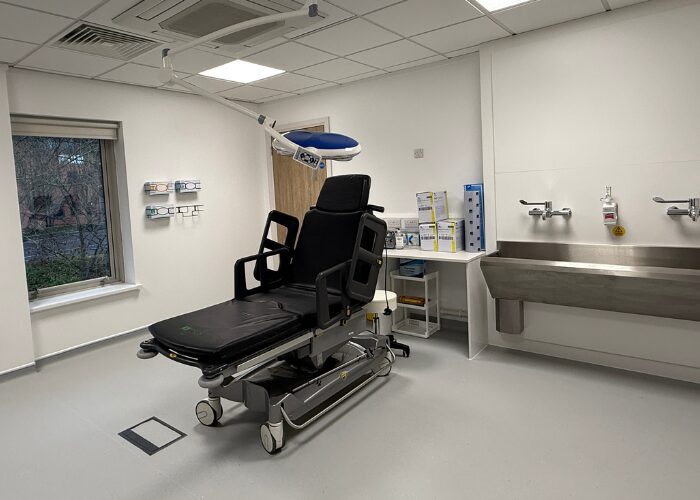
Private clinics should prioritise materials and finishes that are easy to clean and maintain. Surfaces should be smooth, durable, and resistant to damage that could harbour dirt or bacteria.
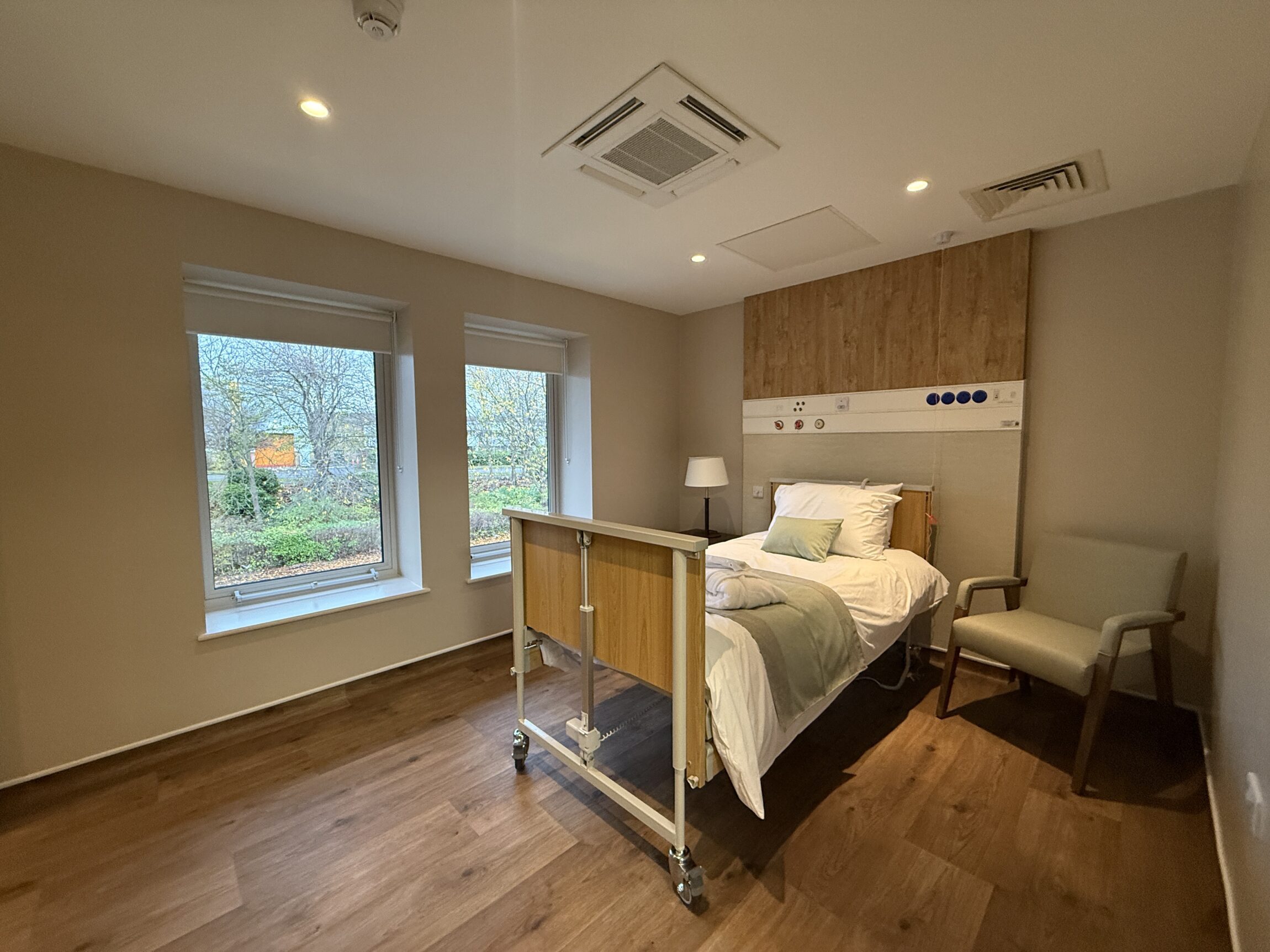
Flooring is particularly important. Cracked, worn, or porous flooring can create areas where contaminants accumulate. Similarly, damaged wall finishes, chipped worktops, and deteriorating furniture can all raise concerns during a CQC inspection.
Well designed healthcare interiors support both effective cleaning and long term compliance.
Hand Hygiene and Infection Prevention
Hand hygiene remains one of the most effective methods of reducing infection transmission in healthcare settings. The CQC expects healthcare providers to have suitable facilities that enable staff, patients, and visitors to maintain good hand hygiene practices.
Clinical areas should incorporate conveniently located handwashing stations and appropriate sanitising facilities. These should be accessible, well maintained, and fully operational at all times.
Designing clinical spaces with hand hygiene in mind helps support compliance while promoting safer patient care.
Cleaning Standards and Maintenance
Cleanliness is about more than appearance. The CQC expects providers to demonstrate that cleaning procedures are systematic, documented, and effective.
This includes establishing clear cleaning schedules, monitoring performance, and ensuring staff understand their responsibilities.
The condition of the environment is equally important. A clinic that appears visibly worn or poorly maintained may create concerns about infection control standards, even if cleaning procedures are in place.
Regular maintenance programmes should address damaged surfaces, worn flooring, broken fixtures, and any issues that could compromise cleanliness or patient safety.
Creating Safe Patient Areas
Reception spaces, waiting rooms, consultation rooms, and treatment areas all contribute to the overall infection control strategy.
Furniture and fittings should be selected with healthcare use in mind. Materials should be durable, easy to clean, and capable of withstanding frequent disinfection.
Storage areas should also be carefully managed. Clean supplies must be protected from contamination and stored appropriately, while waste and used equipment should be handled according to established infection prevention procedures.
Every area of the clinic should support a culture of cleanliness and safety.
Demonstrating Compliance Through Design
A well designed healthcare environment helps demonstrate compliance before an inspector even reviews documentation.
Modern healthcare interiors can balance professional aesthetics with practical infection control requirements. Thoughtful design decisions help reduce infection risks, support operational efficiency, and reinforce confidence among patients and staff alike.
Investing in healthcare specific interior design can also help clinics prepare for future regulatory requirements and evolving patient expectations.
How HE Interiors Supports Private Clinics
At HE Interiors, we understand the challenges private healthcare providers face when balancing patient experience, operational efficiency, and regulatory compliance.
Our healthcare interior design expertise helps clinics create environments that support CQC expectations for cleanliness, infection prevention, and patient safety. From material specification and space planning to complete refurbishment projects, we deliver healthcare spaces that are designed for long term performance and compliance.
Conclusion
CQC compliance begins with creating a safe and hygienic clinical environment. Cleanliness, infection prevention, maintenance, and healthcare focused design all contribute to a clinic’s ability to meet regulatory expectations and protect patient wellbeing.
By investing in environments that support effective infection control, private clinics can strengthen compliance, improve patient confidence, and create healthcare spaces that are ready for successful CQC inspections both now and in the future.