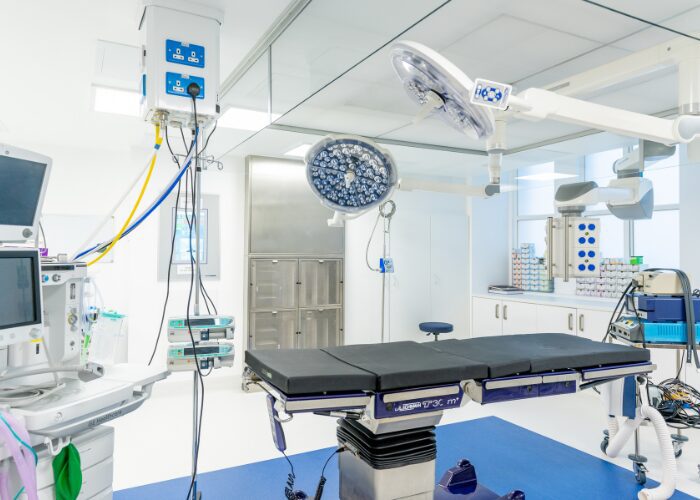
What happens when a contractor lets you down mid project? Refurbishing or building a new healthcare clinic is a significant investment. Whether you’re creating a new dental practice, GP surgery, aesthetic clinic or specialist healthcare facility, you expect your contractor to deliver the project safely, on time and to the required standards.
Unfortunately, not every project goes to plan. Contractors can cease trading, fall behind schedule, deliver substandard workmanship or simply fail to meet the agreed specification. If this happens, it’s easy to feel overwhelmed—particularly when your opening date, patients and finances are all at stake.
The good news is that a failed project doesn’t have to become a failed business. With the right contractor, many healthcare projects can be rescued, completed efficiently and brought up to Care Quality Commission (CQC) standards.
Before Appointing a Contractor: Protect Your Investment
The best way to minimise risk is to carry out thorough due diligence before work begins.
When selecting a contractor for a healthcare project, ensure they have:
- Demonstrable experience delivering healthcare environments, not just commercial fit-outs.
- A clear understanding of CQC expectations and healthcare regulations.
- Appropriate insurance, health and safety policies and accreditations.
- References from recent healthcare clients.
- A detailed programme of works with realistic timescales.
- Transparent costings and a written contract outlining responsibilities, payment schedules and change control procedures.
It’s also worth ensuring that architectural drawings, mechanical and electrical designs, specifications and planning approvals are complete before construction starts. The more detailed the information, the less opportunity there is for misunderstanding or costly variations later.
What Happens If Your Contractor Fails?
If your contractor walks away or consistently fails to deliver, it’s important not to panic or rush into appointing the first replacement available.
An experienced healthcare contractor will usually begin with a comprehensive assessment of the project. This often includes reviewing:
- The quality of completed works.
- Building regulations compliance.
- Mechanical and electrical installations.
- Fire safety measures.
- Infection prevention considerations.
- Outstanding defects.
- Existing project documentation.
- Budget and programme status.
In many cases, hidden issues only become apparent once work resumes. Identifying these early prevents further delays and ensures problems are resolved properly rather than simply covered over.
Expect Some Investigation Before Work Restarts
One of the biggest frustrations for clients is that a new contractor cannot simply pick up where the previous one left off.
Every contractor has legal responsibilities for the work they complete. Before accepting responsibility for the remainder of the project, they need confidence that existing construction is safe, compliant and suitable to build upon.
This may involve opening up walls, inspecting services, testing installations and reviewing structural elements. Although this can feel like a step backwards, it’s often essential to avoid much larger problems later.
A reputable contractor will provide honest advice about what can be retained, what requires remedial work and where additional investment may be necessary.
Bringing the Project Back Under Control
Once the existing works have been assessed, the contractor should produce a realistic recovery plan.
This typically includes:
- A revised programme of works.
- An updated budget.
- Identification of critical risks.
- Prioritisation of compliance issues.
- Clear communication throughout the remainder of the project.
Healthcare projects require close coordination between multiple specialists including electricians, HVAC engineers, plumbing contractors, flooring installers, joiners and medical equipment suppliers. Effective project management becomes even more important when recovering a delayed project.
Achieving CQC Compliance
For healthcare providers, completing the building is only part of the journey. The environment must also be suitable for registration and inspection.
A contractor experienced in healthcare environments understands the practical requirements that support CQC compliance, including:
- Safe patient and staff circulation.
- Appropriate clinical handwashing facilities.
- Durable, cleanable finishes.
- Infection prevention and control measures.
- Emergency lighting and fire safety systems.
- Accessible facilities.
- Adequate ventilation and environmental controls.
- Proper documentation and commissioning of building services.
While CQC assesses the quality and safety of care rather than certifying buildings, the physical environment plays a vital role in demonstrating compliance with the Fundamental Standards. Designing and completing the space with these requirements in mind can help avoid costly alterations before opening.
Choosing the Right Recovery Partner
Taking over another contractor’s unfinished project requires experience, flexibility and technical expertise. It isn’t simply about finishing what’s visible—it’s about identifying hidden risks, protecting your investment and ensuring the clinic is safe, compliant and ready to operate.
At HE Interiors, we understand the unique challenges of healthcare construction. Our team has extensive experience delivering and rescuing healthcare refurbishment projects, working closely with clients, consultants and regulators to bring projects back on track with minimal disruption.
If your current project has stalled or your contractor has let you down, seeking expert advice early can save significant time, money and stress. With the right approach, even challenging projects can be transformed into high-quality clinical environments that support exceptional patient care for years to come.