Refitting charity shops…every charity shop manager knows the feeling. The shelving is wobbly, the layout no longer suits the stock, and the shop front looks a little tired next to the high street neighbours. A refit would help, but the budget is tight, and closing the doors, even for a few days, means lost income for the cause.
The good news is that a successful refit doesn’t need a huge budget. It needs a clear plan, smart choices and a partner who understands how charity retail works. Here’s how to get the most from every pound.
Start with where the money is made
Before spending anything, look at how your shop actually trades. Which areas generate the most income? Where do customers linger, and where do they walk straight past? Often the answer is surprising: a cramped till area, a hidden homeware corner or a poorly lit rail of quality clothing can quietly cost you sales every week.
A focused refit targets these pressure points first. Rather than redesigning everything, you invest where it will earn the most. Improving the visibility of higher-value items, creating a clearer route around the shop and giving donations a dedicated, welcoming drop-off point can all lift income without a full overhaul.
Phase the work to protect your cash flow
One of the most effective ways to stretch a limited budget is to spread the project over stages. A phased refit lets you spend what you have now and return to the next stage when funds allow. It also means the shop can keep trading, or at least reopen quickly, while improvements are made.
A sensible phasing plan might look like this:
- Phase one: the essentials, including lighting, flooring repairs and the most critical fixtures.
- Phase two: upgraded displays, a refreshed shop front and improved till and donation areas.
- Phase three: finishing touches such as signage, feature areas and seasonal display units.
Planning the whole scheme from the outset matters. When each phase is designed to fit the overall vision, you avoid costly rework and end up with a cohesive shop rather than a patchwork of quick fixes.
Choose durability over short-term savings
Charity shops are hard-working spaces. Fixtures are loaded and unloaded daily, volunteers move stock constantly, and customers handle everything. Cheap materials may save money today, but they often need replacing within a couple of years, which costs more in the long run.
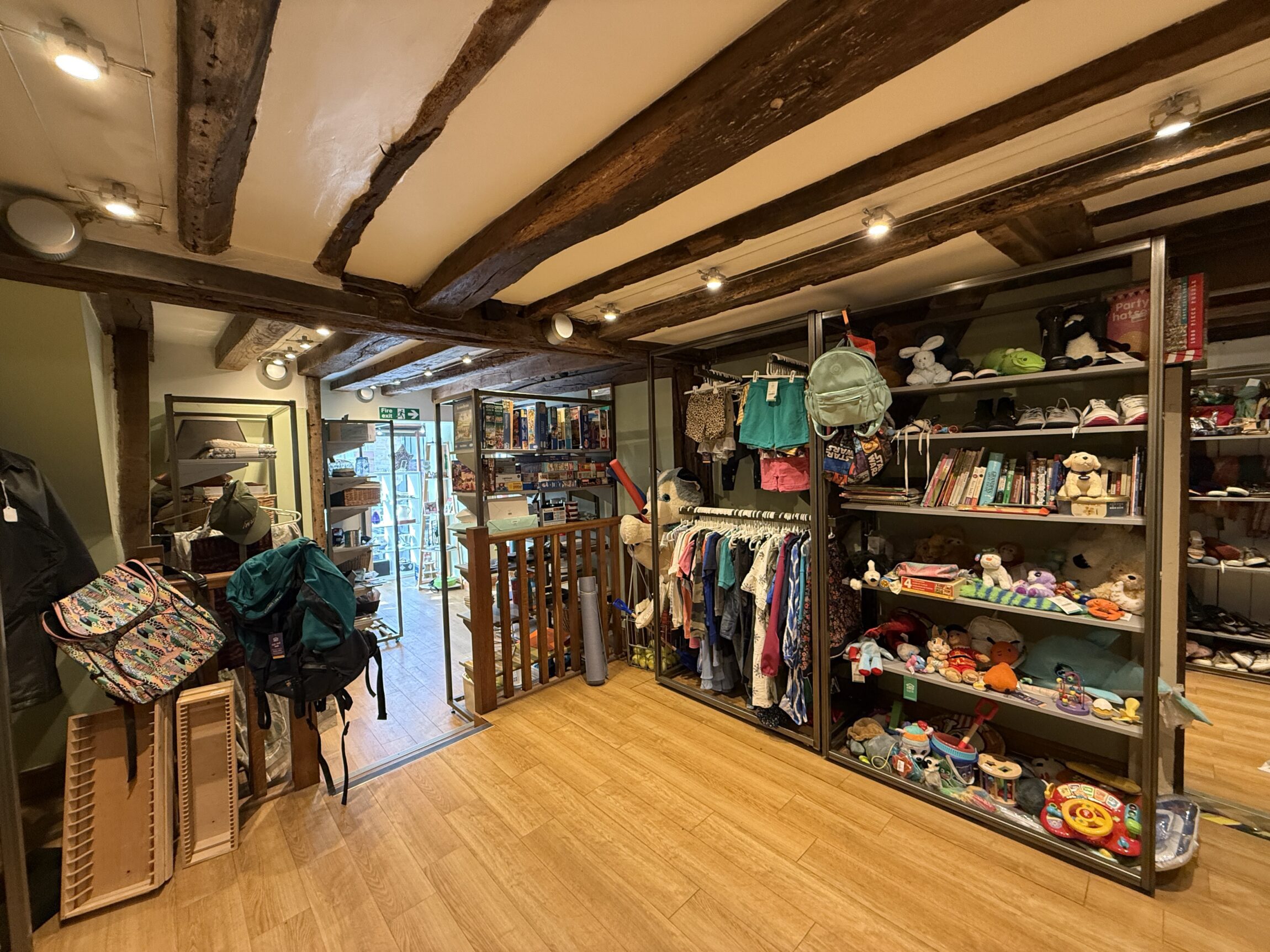
Hard-wearing finishes, robust shelving and low-maintenance surfaces keep the shop looking good with minimal upkeep. Flexible, modular fixtures are especially valuable. Because donated stock changes constantly, units that can be adjusted, reconfigured or moved let you adapt the shop floor for books one month and winter coats the next, without buying new equipment.
Minimise disruption, protect trading income
For a charity, every day the shop is closed is a day of lost funds. That’s why efficient project management is just as important as good design. Careful scheduling, pre-prepared fixtures and experienced installation teams can dramatically shorten the time on site.
Where possible, work can be arranged around your trading pattern, using quieter days, evenings or even overnight work to keep closures to a minimum. Clear communication throughout also helps your staff and volunteers feel informed and confident, which matters when so much of your operation relies on goodwill and limited time.
Think about the whole shopper journey
A refit isn’t only about how the shop looks. It’s about how it feels to use. A bright, uncluttered and well-organised shop encourages customers to stay longer, browse more widely and return more often. It can also attract new audiences who might never have considered a charity shop before, including younger shoppers drawn to sustainable, second-hand buying.
Small touches go a long way here: clear signage, tidy price points, attractive window displays and a welcoming entrance all help to communicate that your shop is professional, friendly and worth a visit.
A partner that understands the sector
Refitting on a charity budget is about making confident, informed decisions. It means prioritising the changes that will make the biggest difference, choosing materials that last and keeping disruption to a minimum so that income keeps flowing.
At HE Interiors, we understand the pressures charity retailers face, and we design and deliver shop interiors with those realities in mind. If you’re thinking about a refit, large or small, we’d be delighted to talk through your options and help you plan a scheme that works for your shop and your budget.
Get in touch with the HE Interiors team today to start the conversation.